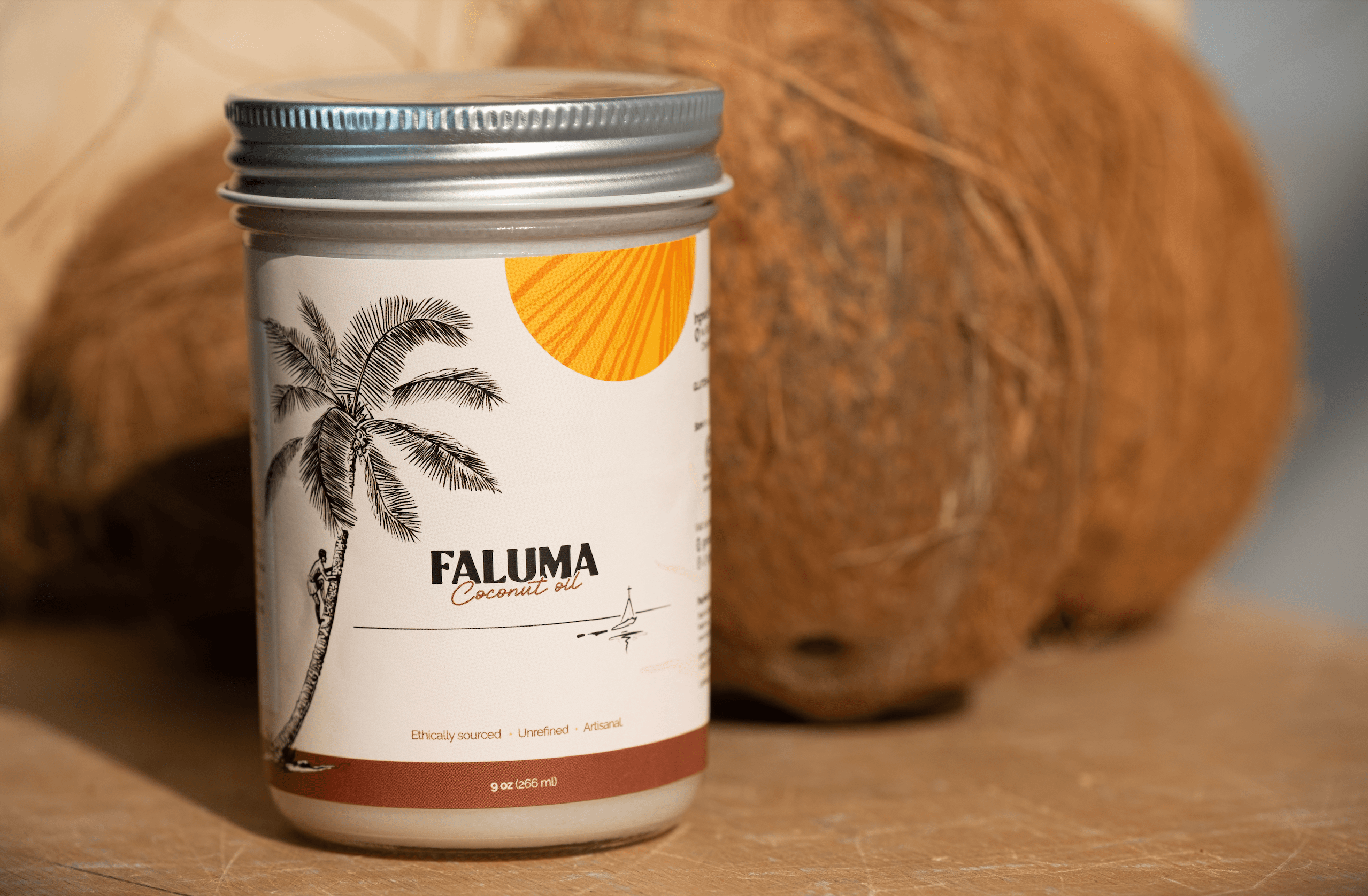
Our newest venture: Faluma Coconut Oil, rooted in ancestral wisdom.
Check It Out



One of my favorite videos on the internet is titled “How to Make a $1500 Sandwich in Only 6 Months.” Andy George, creator of the “How to Make Everything” channel on YouTube, embarks on the intricate journey of crafting everyday items—glasses, knives, and yes, even a sandwich—entirely from scratch. His 16-step undertaking, spanning wheat cultivation, livestock care, and salt harvesting, becomes more than a novelty experiment; it becomes a reflective mirror held up to the obscured realities of our modern food systems. George’s labor-intensive project illuminates the multitudes of unseen individuals whose work underlies each sandwich we casually consume, a vast lattice of human effort rendered invisible by convenience.
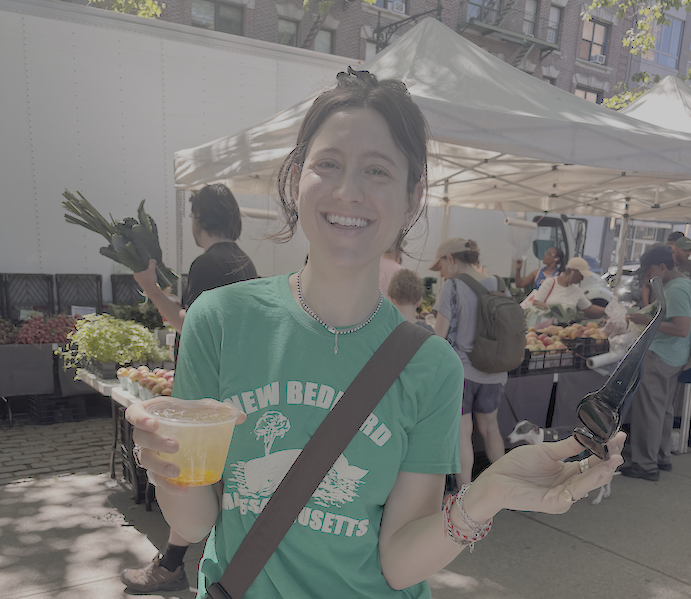
This invisibility stands in sharp contrast to traditions like Mexico City’s vibrant Tianguis, weekly open-air markets that pulse with history and life. During my time living and traveling throughout Central America, these markets offered a glimpse into a world where the boundary between producer and consumer remained porous. Rooted in pre-Hispanic trade routes, Tianguis still celebrate regional craftsmanship, seasonality, and direct human exchange. Wandering through their winding corridors, I encountered not only goods but narratives—stories embedded in textiles, herbs, fruits, and handmade artifacts. It was a far cry from the anonymized aisles of the modern supermarket.

That supermarket model, crystallized by Piggly Wiggly’s pioneering self-service format in 1916, fundamentally reshaped our relationship with food. Convenience replaced connection; browsing replaced bartering. What once required community engagement became a solitary, silent interaction with shelves. Piggly Wiggly ushered in a new era of impulse purchasing and dependence on sprawling logistical networks—industrial systems designed to obscure the human, ecological, and cultural labor woven into each product.
Today, delivery services have pushed this abstraction even further, transforming food into a digitized transaction. The sensory richness of choosing ripeness, speaking with growers, or discovering seasonal products has largely disappeared. In its place is an industrial apparatus—multinational corporations, transnational supply chains, and logistics intermediaries—that prioritizes volume and efficiency over ecological balance or cultural continuity. Governmental policies, particularly around import and export duties, often reinforce these structures, consolidating power and marginalizing local stewards who carry generational knowledge of land and technique.

Amid this landscape, figures like Robin Greenfield emerge as conscious counterpoints. His audacious experiment—living for an entire year by foraging and growing 100% of his food—serves not as a prescription but as a provocation. It invites us to question the assumptions underpinning our lives. What does it mean that practices once central to human survival now appear radical or quaint? Greenfield’s work, while impractical for most, symbolizes a reorientation toward intimacy with our food sources, a reminder that nourishment was once inseparable from effort, observation, and relationship.
The path forward does not require monastic devotion or total rejection of modernity. Rather, it calls for a recalibration—a conscious return to localized, sustainable engagements that restore agency and understanding. This might mean supporting regional markets, cultivating a small garden, learning to forage responsibly, or simply forming direct relationships with growers and artisans. Each gesture, however small, chips away at the opacity that has accumulated around our sustenance.
Reclaiming even a fragment of this connection invites us into a more grounded, consapevole relationship with the land and with the people whose labor sustains us. In an era defined by distance, these acts of reconnection carry profound significance.
If you want to learn more about how our work at Goodgrow brings the human touch back to agriculture, check out our products here.
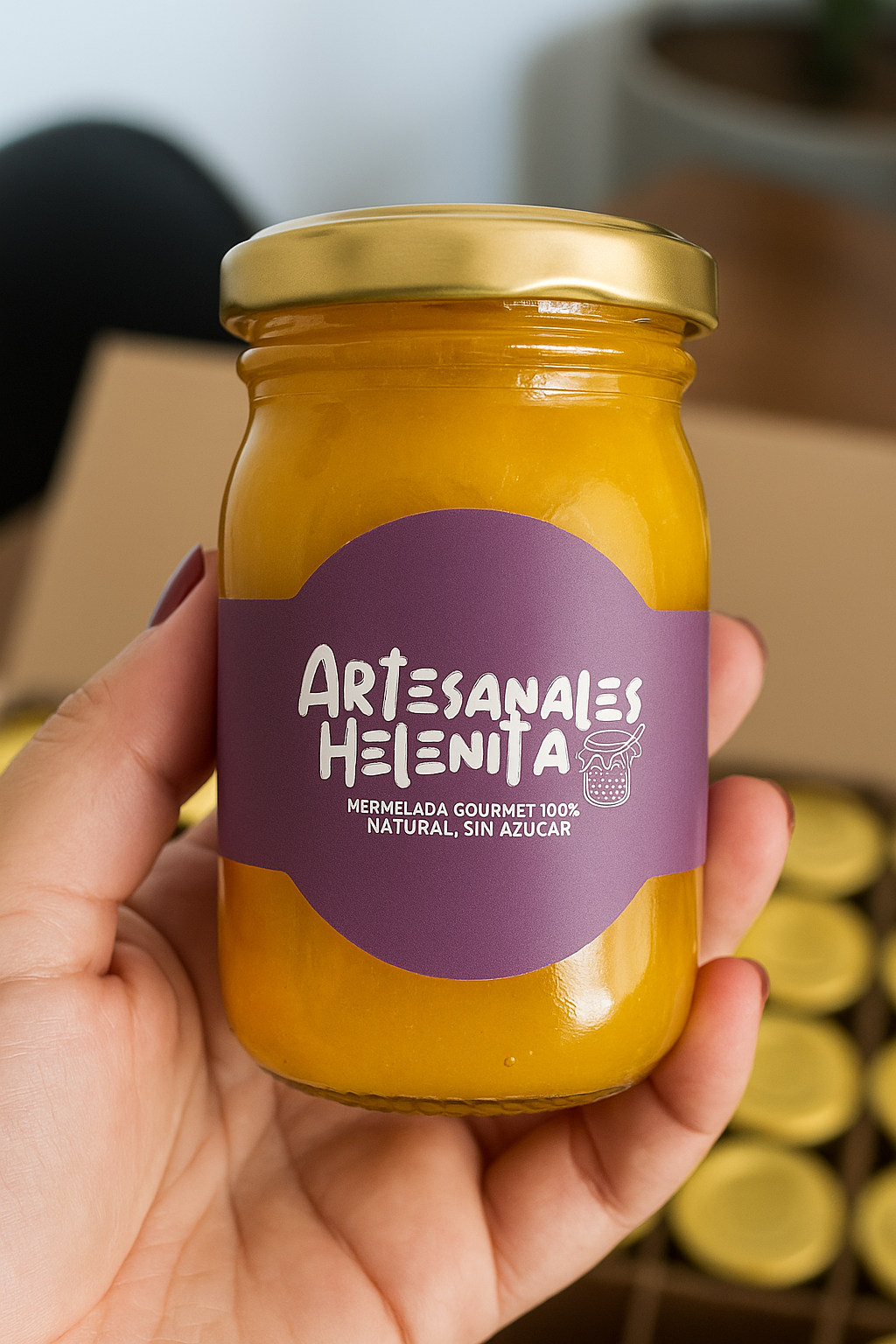
Faluma Coconut Oil is a pure, regenerative coconut oil crafted with Garifuna communities. Each jar carries the story of ancestral wisdom and a commitment to fair, transparent trade.